Tick bites:
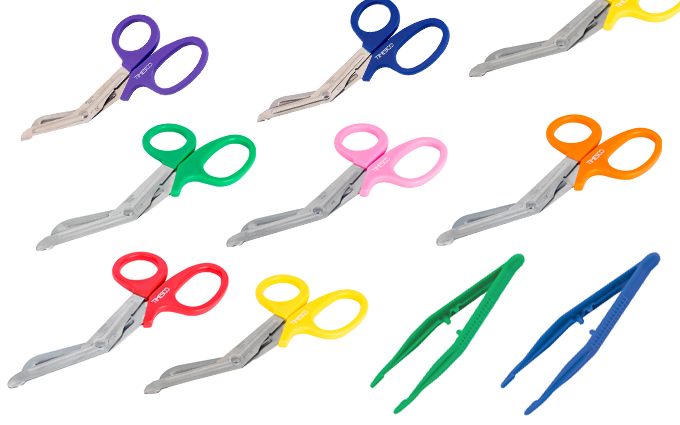
- Using tweezers, grasp tick’s head close to the skin and gently pull upwards.
- Collect tick remnants together in sealed plastic bag.
- Advise casualty to seek medical advice.
Ticks are very small, spider-like creatures which can be found in woodlands or grass. Ticks attach themselves to passing animals (including humans) and bite into the skin, sucking the blood. They can carry diseases and should be removed as soon as possible. If the tick is infected, you could develop Lyme disease.
Using a pair of tweezers or a tick-removal tool, grasp the tick’s head as close as you can to the skin and gently pull the head upwards.
Contact your GP surgery if you have been bitten by a tick within the last three months and you have:
Enter your email address below and we will send you instructions on how to create a new password.
Your email address is registered on our Major Accounts portal – to receive your agreed pricing for training courses please proceed to the portal.